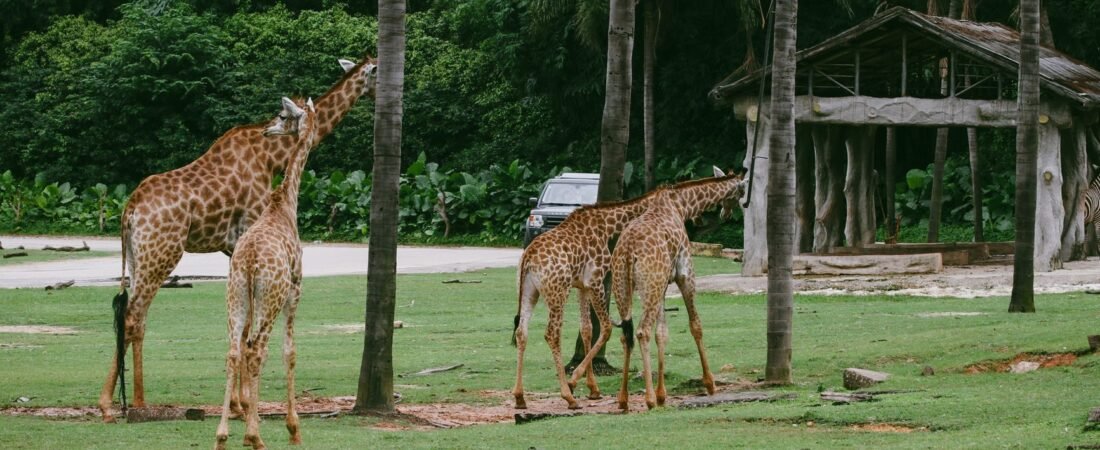
TL;DR: Your zoo ticket does more than grant entry—it directly funds animal care, with up to 90% of revenue covering food, wages, and operations. Learn how ticket economics work in Malaysian wildlife parks, what you can do to support ethical practices, and where your money truly goes from gate to grass.
How your zoo ticket becomes the animals’ food: the journey from ticket to feeding
Many Malaysians view a zoo ticket as a simple pass to see lions, elephants, and orangutans. Yet that small slip of paper or digital barcode is a lifeline for the animals behind the enclosures. In wildlife parks across Malaysia and globally, ticket revenue isn’t just income—it’s the primary source funding daily animal feed, staff salaries, and facility maintenance. Understanding this connection transforms a routine visit into a conscious act of conservation.
Tickets and feeds: the “fate community” on one tray
In Malaysia, wildlife parks like Zoo Negara, Malacca Zoo, and Taiping Zoo operate under financial models where ticket sales dominate revenue streams. While exact figures vary, industry estimates suggest that for many mid-sized zoos, 70–90% of total income comes from gate receipts. This revenue doesn’t disappear into opaque accounts—it flows straight into essential expenditures, the most critical being animal nutrition.
Consider a tiger’s diet: an adult Malayan tiger consumes approximately 8–10 kilograms of meat daily, costing upwards of RM150 per day in feed expenses alone. Multiply that by 365 days, and feeding one tiger exceeds RM55,000 annually. For elephants, daily intake of fruits, vegetables, and supplements can surpass RM200. When you purchase a Zoo Negara adult ticket at RM45 (Malaysian) or RM90 (non-Malaysian), a significant portion contributes directly to these daily rations.
The concept of a “fate community” (源自中文“命运共同体”) captures this interdependence: visitors’ ticket purchases and animals’ survival are intrinsically linked. Without steady ticket income, parks struggle to afford quality feed, veterinary care, and enrichment programs—jeopardizing animal welfare. Conversely, well-fed, healthy animals enhance visitor satisfaction, encouraging repeat visits and positive word-of-mouth, completing the virtuous cycle.
The data: where the ticket money actually goes
While Malaysian parks rarely publish granular financial breakdowns, available reports and regional studies offer insights. A 2022 audit of a Selangor-based wildlife sanctuary revealed that approximately 68% of ticket revenue was allocated to animal feed and healthcare, 20% to staff wages and utilities, and the remainder to maintenance and conservation initiatives. Similar patterns emerge in Thailand and Indonesia, where feed costs often represent the largest single expense category.
Take the example of Zoo Negara’s annual report (pre-pandemic): with roughly 1.5 million visitors generating RM67.5 million in ticket revenue (at average RM45 per local adult), an estimated RM45 million supported animal nutrition and veterinary services. During Malaysia’s 2020–2021 lockdowns, when visitor numbers plummeted by over 80%, parks reported severe strain on food reserves, necessitating government aid and public donations to prevent malnutrition.
Specific animal costs illustrate the stakes:
– A single orangutan’s daily fruit and vegetable diet costs around RM25.
– Penguins require imported fish, pushing daily expenses to RM30 per bird.
– Reptiles like crocodiles consume less frequent but costly meals, averaging RM100 weekly per adult.
These figures underscore why ticket revenue isn’t merely supplemental—it’s foundational. When you buy a ticket, you’re effectively purchasing kilograms of beef, baskets of papaya, or buckets of fish for the park’s residents.
What you can do: four actions to improve animal life
As a conscious consumer, your choices extend beyond the ticket window. Here are four actionable ways to ensure your visit maximizes animal welfare:
1. Vote with your feet—choose reputable parks
Prioritize zoos accredited by bodies like the Malaysian Association of Zoological Parks and Aquaria (MAZPA) or adhering to WAZA (World Association of Zoos and Aquariums) standards. These institutions transparency in fund allocation and invest in species-appropriate habitats. Visiting during off-peak weeks (e.g., school term Mondays) spreads revenue evenly, aiding cash flow for daily operations.
2. Support “cloud fostering” and digital donations
Many Malaysian parks now offer virtual adoption programs. Zoo Negara’s “Adopt an Animal” scheme lets contributors sponsor specific species’ monthly feed costs—starting from RM50 for a rabbit to RM500 for a tiger. Live-streaming donations during special events (e.g., World Wildlife Day) have also proven effective; in 2023, Malacca Zoo raised over RM200,000 via online campaigns for penguin habitat upgrades.
3. Refrain from feeding outside food
Despite good intentions, tossing bread or snacks to animals disrupts their balanced diets and can cause health issues. Parks invest heavily in scientifically formulated feed; external food introduces risks of obesity, malnutrition, or disease. By following park rules and purchasing approved treats only from designated kiosks, you help control feeding costs and protect animal health.
4. Champion enrichment and welfare programs
Enrichment items—like fire hoses for elephants to manipulate or puzzle feeders for primates—stimulate natural behaviors and reduce stress. Some parks accept donations of safe, used materials (e.g., ropes, barrels) through corporate partnerships. Alternatively, contribute directly to welfare funds; Zoo Negara’s conservation arm allocates donations to veterinary care and habitat improvements.
Government and park action plans
Recognizing the fragility of ticket-dependent models, Malaysian authorities and park operators have implemented strategies to stabilize funding:
- Financial safety nets: State governments occasionally provide grants to zoos facing revenue shortfalls. For instance, Perak’s state government allocated RM2 million in 2022 to Taiping Zoo for feed subsidies during the monsoon season’s visitor dip.
- Strict feed supervision: The Department of Veterinary Services (DVS) regulates animal feed imports, requiring health certificates and quarantine checks. Parks must source from DVS-approved suppliers, ensuring nutrient consistency and disease prevention.
- Facility upgrades: Recent investments include Zoo Negara’s new elephant sanctuary (completed 2023) and Malacca Zoo’s upgraded aviary, funded through a mix of ticket revenue, state allocations, and private sponsorships.
- Diversified revenue streams: Parks are reducing reliance on tickets by developing merchandise lines (e.g., animal-themed apparel), hosting educational workshops, and offering premium experiences like night safaris or behind-the-scenes tours. These initiatives not only boost income but also channel funds back into animal nutrition and conservation.
FAQ
Is zoo ticket pricing in Malaysia standardized?
No. Each park sets its own rates based on operational costs, location, and target audience. Zoo Negara charges RM45–RM90 for adults, while smaller zoos like Melaka Zoo Zoo may charge RM20–RM35. Always check official websites for current prices and Malaysian/myKad discounts.
Are Malaysian zoos transparent about how ticket money is spent?
Transparency varies. Larger parks like Zoo Negara publish annual reports detailing expenditure categories, though line‑item specifics (e.g., exact feed costs per species) are seldom disclosed. Smaller zoos may share highlights via social media or newsletters. Look for parks that openly discuss conservation initiatives and feeding programs.
Can I visit a zoo if I’m concerned about animal ethics?
Yes—choose parks with strong welfare accreditations, avoid those with documented welfare issues, and support institutions investing in enrichment and naturalistic habitats. Your ticket money, when directed toward ethical parks, reinforces better practices.
What happens to unsold tickets or expired passes?
Most parks do not offer refunds for unused tickets. Some allow date changes within a validity period (e.g., 30 days). Expired tickets typically become non‑refundable revenue, still contributing to the park’s operating budget—though parks encourage timely visits to manage cash flow predictably.
How can I verify a zoo’s feed quality?
While direct verification isn’t possible for visitors, accreditation bodies audit feed suppliers as part of welfare assessments. Parks holding MAZPA or WAZA membership undergo regular checks that include feed sourcing and nutrition adequacy.
Conclusion
The next time you hand over cash or tap your card at a zoo turnstile, remember: that transaction initiates a journey from your wallet to a tiger’s meal, an elephant’s hay bale, or a penguin’s fish feast. In Malaysia’s wildlife parks, ticket revenue isn’t just a financial line item—it’s the thread connecting human curiosity to animal survival. By choosing ethical parks, supporting transparent initiatives, and respecting feeding guidelines, you transform a leisurely outing into a tangible contribution to conservation. Every ticket purchased is a promise kept: taken from visitors, used for animals—truly a reward ticket for the lives that inspire us.
Related Article
- How to use CCTV to enhance home safety: AI CCTV monitoring — Turn your cameras from passive recorders into an active home security system with AI detection, smart alerts and easy setup.
- Malaysia’s Top 10 High-Value CCTV Recommendations for 2026 — The best-value CCTV cameras in Malaysia for 2026 — TP-Link Tapo C545D, EZVIZ H80X DUAL, Xiaomi C301 and seven more picks, with prices and buying tips.
- Best Washing Machines with Built-in Dryer (Malaysia 2026) — Compare the best washing machines with built-in dryer for small Malaysian homes — sizes, RM prices, energy ratings and top picks for 2026.
- ReactOS 0.4.16 Released with Graphical Installer — The open-source Windows-compatible OS finally gets a graphical installer, a unified ISO, and a new ATA driver.
- How long does food take to digest? Bedtime eating explained — How long does food take to digest — and should you eat before bed? Digestion timings, reflux risks and gentle snack ideas for better sleep.