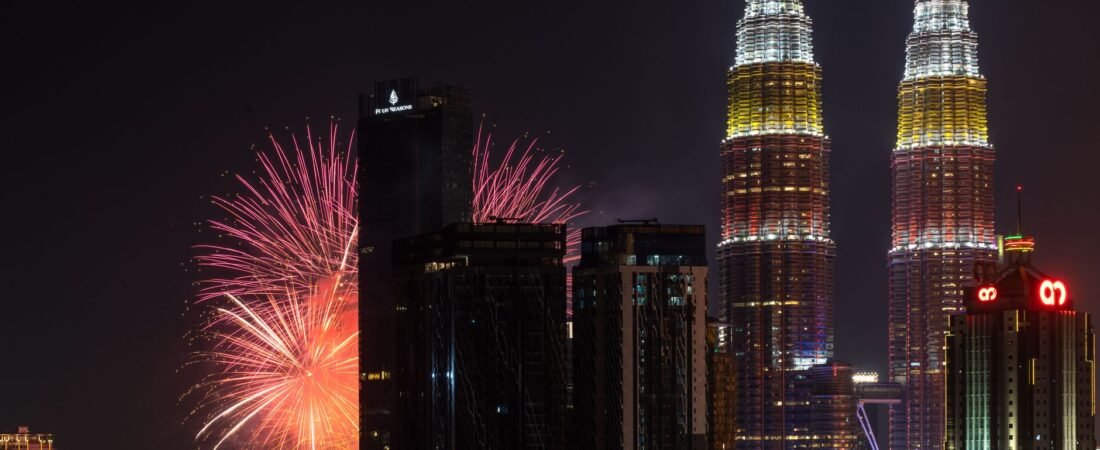
How to spend Diwali (regional holiday) in Malaysia: from KL to Penang and beyond
Diwali, the Festival of Lights, falls on Sunday, 8 November 2026 in Malaysia. As a regional public holiday observed in several states, it offers a vibrant opportunity to experience Indian-Malaysian culture through lights, food, and festivities. Whether you’re in Kuala Lumpur, Penang, or planning a short getaway, here’s how to make the most of Diwali 2026.
Understanding Diwali in Malaysia
Diwali, also known as Deepavali, celebrates the triumph of light over darkness and good over evil. In Malaysia, it is gazetted as a public holiday in states with significant Indian populations, including Kuala Lumpur, Putrajaya, Penang, Perak, Selangor, Negeri Sembilan, and Malacca. While not a nationwide holiday, many businesses in observant states close or operate on reduced hours, allowing families to gather for prayers, feasts, and community events.
The date is fixed according to the Hindu lunar calendar: in 2026, Diwali falls on 8 November (a Sunday). This creates a long weekend for many, as Monday 9 November is a regular working day unless combined with leave. Check your state’s official holiday calendar to confirm observance.
Historical Context of Diwali in Malaysia
The Indian-Malaysian community traces its roots to waves of migration from South India during the British colonial era, primarily for work in rubber plantations, railways, and administrative services. Over generations, Diwali celebrations have evolved to blend traditional Hindu rituals with local Malay and multicultural influences, creating a uniquely Malaysian expression of the festival. In cities like Kuala Lumpur and Penang, historic temples built in the late 19th and early 20th centuries remain focal points for Diwali observances, their architecture reflecting South Indian Dravidian styles adapted to tropical conditions.
Religious Significance Across Traditions
While Diwali is primarily a Hindu festival marking Lord Rama’s return to Ayodhya after defeating Ravana, it also holds significance for other faiths. Sikhs commemorate Bandi Chhor Divas (the release of Guru Hargobind from imprisonment), and Jains observe the attainment of nirvana by Lord Mahavira. In Malaysia, the holiday is largely celebrated by Hindus, but the universal themes of light and renewal resonate across communities, often leading to interfaith open houses and cultural exchanges.
Where to Celebrate Diwali in Kuala Lumpur
Kuala Lumpur’s Little India in Brickfields transforms during Diwali. The streets are adorned with colourful kolam (rice flour designs), strings of fairy lights, and festive bazaars selling traditional sweets, savouries, and decorative items. Key activities include:
- Sri Maha Mariamman Temple: Visit Kuala Lumpur’s oldest Hindu temple for special prayers and ceremonies. Arrive early to avoid crowds and witness the elaborate decorations. The temple’s annual Diwali light display features over 10,000 oil lamps and electric lights arranged in intricate patterns depicting deities and symbols.
- Brickfields Walking Tour: Explore the heritage lanes on Jalan Tun Sambanthan and surrounding streets. Look out for rangoli competitions and cultural performances staged at the Brickfields Community Centre. Many shops offer discounts on traditional attire, jewellery, and home décor during the festive period.
- Diwali Fair at MaTiC: The Malaysia Tourism Centre often hosts a Diwali fair featuring dance performances, henna artists, and food stalls serving authentic South Indian and North Indian delicacies. Check MaTiC’s website for the 2026 schedule, which typically includes classical Bharatanatyam performances, folk dances like Garba, and live music.
- Shopping Festas: Major malls like Nu Sentral and Kuala Lumpur Sentral integrate Diwali themes into their decorations, with promotional displays and cultural showcases. Look for pop-up stalls selling festive hampers, decorative diyas, and gift items.
- Community Open Houses (Rumah Terbuka): Residential areas in Shah Alam, Klang, and Petaling Jaya often host open houses where neighbours invite friends of all backgrounds to share homemade sweets and savouries. These gatherings are excellent opportunities to experience authentic home-cooked Diwali food and learn about family traditions.
- Cultural Workshops: Community centres such as the Vivekananda Ashram and the Malaysia Hindu Sangam organize workshops on making kolam, crafting paper lanterns, and cooking traditional Diwali snacks. These are often free or low-cost and open to the public.
Beyond Brickfields: Other KL Hotspots
While Brickfields is the epicentre, other areas in Kuala Lumpur also celebrate Diwali with gusto:
– Sentul: The Sentul Depot area hosts a vibrant street festival with cultural performances and food trucks.
– Selayang: The Batu Caves area sees increased activity at the Sri Subramaniar Swamy Temple, where special pujas are held.
– Ampang: Known for its Sri Lankan Tamil community, Ampang’s temples and community centres offer unique Diwali observances reflecting Sri Lankan traditions.
Penang’s Diwali Festivities
Penang’s Little India along Jalan Masjid Kapitan Keling (formerly Pitt Street) and surrounding areas comes alive with Diwali cheer. The UNESCO World Heritage Site setting adds a unique charm to the celebrations.
- Sri Mahamariamman Temple: Penang’s iconic temple on Queen Street features intricate light displays and special pujas. The temple’s gopuram (tower) is often illuminated with hundreds of oil lamps, creating a stunning visual effect against the heritage shophouses.
- Chulia Street Night Market: During Diwali, the usual night market expands with additional stalls selling festival-specific items like diyas (oil lamps), sparklers, and traditional attire. Look for stalls selling homemade sweets like adhirasam and munthiri kothu.
- Little India Penang Festival: Check with Penang Island City Council for scheduled cultural performances, including Bharatanatyam dance, folk music, and drama troupes performing Ramayana excerpts. These are often held at outdoor stages near the temple or in heritage plazas.
- Food Trails: Indulge in Diwali specialties such as murukku (spiral snacks), jangiri (sweet syrupy rings), and athirasam (rice flour jaggery cakes) at renowned eateries like Restoran Sri Ananda Bahwan and Kamatchi Restaurant. Many restaurants offer special Diwali thalis (platters) featuring a variety of vegetarian and non-vegetarian dishes.
- Heritage Walks: Join guided walking tours that focus on the history of Penang’s Indian community, visiting historic temples, mosques, and clan houses while learning about Diwali’s evolution in the region.
- Beachside Celebrations: Some hotels along Batu Ferringhi host Diwali-themed beach dinners with cultural performances, combining festive cheer with seaside relaxation.
Penang-Specific Traditions
Penang’s Diwali celebrations often incorporate unique local touches:
– Thaipusam Influence: While Thaipusam is a separate festival, some Penang communities blend elements, such as carrying milk pots (paal kudam) during Diwali processions as a symbol of purity.
– Nyonya-Indian Fusion: In certain areas, you might find snacks that blend Indian spices with Nyonya (Peranakan) techniques, such as spicy keropok or sweet cakes infused with pandan and cardamom.
– Trishaw Rides: Decorated trishaws offer short rides around Little India, adorned with fairy lights and floral arrangements—a fun way to soak in the atmosphere.
Beyond KL and Penang: Other Destinations
While Kuala Lumpur and Penang host the most prominent Diwali events, other destinations offer authentic experiences:
- Melaka’s Little India: Located along Jalan Tengkera, the area features decorated shops and the historic Sri Poyyatha Vinayagar Moorthi Temple (the oldest Hindu temple in Malaysia, built in 1781). Melaka’s quieter atmosphere allows for leisurely exploration of Diwali rituals, including traditional oil lamp lighting and kolam drawing at the temple grounds.
- Ipoh’s Indian Community: In Ipoh, Little India around Jalan Bandar Timah and Jalan Sungai Sembilang sees temple visits at the Sri Subramaniar Temple and community gatherings at local associations. The city’s famous old-town cafes often serve special Diwali snacks alongside their classic white coffee.
- Seremban’s Cultural Shows: Negeri Sembilan often organizes Diwali-themed cultural nights at the Negeri Sembilan State Mosque field or local community halls, featuring traditional music, dance, and food bazaars. Look out for exhibits on Minangkabau heritage and its intersection with Indian culture.
- Johor Bahru: Despite being less prominent, Johor Bahru’s Sri Rajakaliamman Glass Temple (a unique glass-covered temple) offers a serene setting for Diwali reflections, with special lighting arrangements. The nearby Johor Bahru Old Chinese Temple area sometimes hosts joint celebrations highlighting interfaith harmony.
- Kota Bharu: In Kelantan, where Diwali is not a public holiday, smaller Indian communities still observe the festival privately. Visitors can respectfully attend temple prayers at sites like the Kota Bharu Sri Mahamariamman Temple if invited.
- East Malaysia: While Diwali observance is minimal in Sabah and Sarawak due to smaller Indian populations, cities like Kota Kinabalu and Kuching may have community events organized by Indian associations, often held in hotel balloons or community centres.
Planning a Diwali Getaway
Consider combining your Diwali visit with other attractions:
– Kuala Lumpur: Pair your trip with a visit to the Islamic Arts Museum, Batu Caves, or a day trip to Genting Highlands for cooler temperatures.
– Penang: Explore Georgetown’s street art, climb Penang Hill, or visit Kek Lok Si Temple for a multicultural experience.
– Melaka: Take a river cruise, visit A Famosa, or explore the Jonker Street night market (which may have Diwali-themed stalls).
– Ipoh: Discover limestone caves, try famous Ipoh chicken rice, or relax at hot springs in Tambun.
– Cameron Highlands: Many resorts offer Diwali special packages that include cultural performances, traditional meals, and tea plantation tours.
Food and Traditions to Experience
Diwali is inseparable from its culinary delights. Look out for these traditional items:
Sweets (Mithai)
- Laddu: Gram flour balls coated in sugar or syrup, often flavoured with cardamom or saffron.
- Barfi: Dense fudge-like confection made from condensed milk and sugar, available in varieties like pista (pistachio), kaju (cashew), and coconut.
- Jalebi: Crispy spiral-shaped batter fried and soaked in sugar syrup, best served warm.
- Kesar Pista Burfi: Saffron and pistachio-infused barfi, a premium favourite.
- Mysore Pak: Rich, buttery sweet made from gram flour, ghee, and sugar, originating from Karnataka.
- Gulab Jamun: Soft milk-solid balls soaked in rose-flavoured sugar syrup.
- Halwa: Dense, jelly-like dessert in flavours like carrot (gajar), wheat (atta), or lentil (dal).
Savouries
- Samosa: Crispy pastry filled with spiced potatoes, peas, and sometimes meat.
- Pakora: Vegetables (like onion, potato, or spinach) dipped in gram flour batter and deep-fried.
- Chakli: Spiral-shaped snack made from rice flour, lentil flour, and spices.
- Murukku: Twisted, crunchy snack similar to chakli but often with a different spice blend.
- Mixture: A savoury blend of fried lentils, nuts, and sev (thin chickpea flour noodles).
- Kachori: Flaky pastry filled with spiced lentils or potatoes.
- Dahi Vada: Lentil dumplings soaked in yogurt and topped with spices and chutney.
Meal Specialties
- Vegetarian Thali: A round platter featuring steamed rice, lentil dal (such as tadka or fryums), vegetable curries (like aloo gobi or baingan bharta), bread (roti or naan), yogurt raita, and a sweet item.
- Non-Vegetarian Options: Many restaurants offer chicken or lamb curries, biryani, and seafood dishes for those who observe Diwali with non-vegetarian feasts.
- Regional Specialties: Look for Chettinad cuisine (spicy Tamil Nadu dishes), Gujarati snacks (like dhokla and khandvi), and Punjabi favourites (such as chole bhature) in specialty restaurants.
Traditions Beyond Food
- Lighting Diyas: Families place oil lamps inside and outside homes to symbolize inner light and ward off darkness. Public spaces often feature elaborate diya arrangements.
- Kolam/Rangoli: Intricate floor designs made with coloured rice, flour, flower petals, or coloured sand. Competitions are common in community centres and temples.
- New Clothes: Wearing fresh attire signifies renewal; many shop for traditional outfits like sarees, kurtas, or sherwanis in the weeks preceding Diwali. Bright colours like red, yellow, green, and gold are popular.
- Lakshmi Puja: The main prayer ceremony on Diwali night honours Goddess Lakshmi, the deity of wealth and prosperity. Homes are cleaned thoroughly beforehand to welcome the goddess.
- Fireworks: While regulated, sparklers and ground-based fireworks are common in private celebrations; always follow local safety guidelines and consider eco-friendly alternatives like LED lights.
- Gift Exchanging: Exchanging sweets, dry fruits, or decorative items with friends and family is a common practice, symbolizing goodwill and sweet relationships.
Travel Tips for the Diwali Weekend
If you’re traveling during the Diwali weekend, keep these tips in mind:
- Book Early: Accommodation in popular destinations like Penang and Melaka fills quickly for long weekends. Reserve hotels or homestays at least two to three weeks in advance, especially if you want to be near Little India areas.
- Expect Crowds: Public transport, especially KTM Komuter and LRT lines serving Little India areas (like Pasar Seni and KL Sentral stations), will be busier than usual. Allow extra time for commuting and consider using ride-hailing apps to avoid parking hassles.
- Check Operating Hours: Government offices, banks, and some private businesses in observant states may close on 8 November. Verify ahead if you need essential services; many convenience stores and 24-hour eateries remain open.
- Dress Respectfully: When visiting temples, wear modest clothing that covers shoulders and knees. Remove footwear before entering. Some temples provide sarongs or scarves for visitors who need them.
- Stay Safe: Keep valuables secure in crowded bazaars and markets. If driving, be cautious of increased pedestrian activity near festive zones and follow traffic directions from authorities.
- Combine with School Holidays: Note that Diwali 2026 coincides with the end-of-year school holidays for many Malaysian schools, potentially increasing family travel volume and demand for family-friendly activities.
- Weather Considerations: Early November in Malaysia sees transition from southwest to northeast monsoon. Expect occasional afternoon thunderstorms, especially on the west coast. Pack an umbrella or raincoat and plan indoor alternatives for outdoor activities.
- Health and Hydration: Festive foods can be rich and sugary; balance with plenty of water and lighter meals. If you have dietary restrictions, communicate them clearly when accepting food invitations.
- Cash vs. Card: While many establishments accept cards, smaller street vendors and traditional markets may prefer cash. Keep small denominations handy for purchases at bazaars.
- Respectful Photography: Always ask permission before photographing individuals, especially during religious ceremonies. Some temples restrict photography inside inner sanctums.
Family-Friendly Activities
Diwali offers engaging experiences for visitors of all ages:
- Craft Workshops: Community centres in KL and Penang often host rangoli-making or diya-painting sessions for children. Look for free events at public libraries or museums.
- Cultural Performances: Look for family-friendly shows featuring storytelling, puppet theatre, or dance narratives suited for younger audiences. Many temples organize short plays depicting the Ramayana story.
- Temple Tours: Many temples provide guided explanations of Diwali’s significance, making it educational for kids. Some offer activity sheets or scavenger hunts to engage young visitors.
- Food Sampling Tours: Turn a visit to Little India into a game by trying different sweets and savouries from various stalls. Create a “Diwali passport” checklist for kids to stamp at each stop.
- Light Displays: Evening walks through decorated streets create magical photo opportunities—ideal for families seeking memorable moments. Consider timing your walk after sunset when the lights are fully illuminated.
- Interactive Exhibits: Museums like the Islamic Arts Museum Malaysia or the Penang State Museum sometimes host special Diwali exhibitions featuring artifacts, photographs, and interactive displays.
- Outdoor Movies: Some communities host outdoor screenings of Indian films (with subtitles) in parks or community halls during the Diwali period.
- Cooking Classes: Family-friendly cooking classes teach how to make simple Diwali snacks like sweet coconut laddus or savoury rice crackers. Look for offerings at community centres or culinary schools.
- Charity Activities: Involve children in preparing food parcels or donating toys to underprivileged families—a meaningful way to teach the spirit of giving associated with Diwali.
Frequently Asked Questions
Q: Is Diwali a public holiday in all Malaysian states?
A: No. Diwali is gazetted as a public holiday only in states with significant Indian populations: Kuala Lumpur, Putrajaya, Penang, Perak, Selangor, Negeri Sembilan, Malacca, and sometimes others depending on yearly declarations. Always check your state’s official holiday list for 2026. For 2026, the federal territories of Kuala Lumpur and Putrajaya observe it, along with the states mentioned.
Q: What are the typical opening hours for shops and restaurants on Diwali day?
A: In observant states, many Indian-owned shops and restaurants may close to allow staff to celebrate with family. However, major malls, supermarkets, and non-Indian eateries often remain open. It’s advisable to call ahead if you plan to visit a specific establishment. Some 24-hour outlets like petrol station marts and certain convenience stores remain operational.
Q: Are there any specific customs visitors should be aware of when attending Diwali events?
A: Visitors are welcome to observe public celebrations respectfully. When entering temples, dress modestly and remove shoes. Avoid pointing feet at religious idols or elders. Accepting offerings like prasad (blessed food) is polite if offered, but never mandatory. If participating in rangoli or diya lighting, follow instructions from organizers to ensure safety and respect for the art form.
Q: How can I find Diwali events happening near me?
A: Check local council websites (e.g., DBKL for Kuala Lumpur, MBPP for Penang), temple social media pages, and community association notices. Platforms like Facebook Events and Meetup often list Diwali fairs, cultural nights, and open houses. Local newspapers and radio stations also announce event schedules closer to the date.
Q: Is it appropriate to give gifts during Diwali?
A: While not required, giving gifts such as sweets, dry fruits, or decorative items is a appreciated gesture if invited to an Indian friend’s or colleague’s home. Avoid alcohol or leather products unless you know the recipient’s preferences. Consider beautifully packaged assorted mithai boxes or decorative diya sets as thoughtful presents.
Q: How does Diwali overlap with other holidays or events in November 2026?
A: Diwali 2026 falls on 8 November (Sunday). Other notable dates around that time include:
– 10 November: World Science Day for Peace and Development
– 11 November: Armistice Day/Veterans Day (observed in some contexts)
– 14 November: Children’s Day (India) and World Diabetes Day
– 20 November: Universal Children’s Day
– 25 November: International Day for the Elimination of Violence Against Women
– 27 November: Thanksgiving (United States)
While these are not Malaysian public holidays, they may affect expatriate communities or international visitors’ plans.
Q: Are there any eco-friendly ways to celebrate Diwali?
A: Yes. Consider using LED lights instead of traditional oil lamps for outdoor displays to reduce fire risk and energy consumption. Opt for organic, biodegradable rangoli materials like flower petals and coloured rice. Choose eco-friendly fireworks (if permitted) or avoid them altogether in favour of light shows. Support local artisans by buying handmade crafts instead of mass-produced items. Finally, minimize food waste by sharing excess sweets with neighbours or donating to food banks.
Conclusion
Diwali 2026 on 8 November offers a wonderful chance to immerse yourself in Malaysia’s rich Indian-Malaysian heritage. From the dazzling lights of Kuala Lumpur’s Brickfields to the historic charm of Penang’s Little India, the festival invites everyone to celebrate light, hope, and community. Whether you choose to join temple prayers, savour festive treats, explore cultural performances, or simply enjoy the illuminated streets with family, Diwali promises memorable experiences across the nation. Plan ahead, respect local customs, and let the spirit of the Festival of Lights illuminate your weekend. With careful preparation, your Diwali 2026 celebration can be both joyful and meaningful, creating memories that last long after the lights are dimmed.