Diwali, also known as Deepavali, is one of the most vibrant and widely celebrated festivals in Malaysia. In 2026, this auspicious day falls on Sunday, November 8. For Malaysians across the nation, it marks a time of joy, renewal, and the triumph of light over darkness. This article provides a comprehensive look at Diwali 2026 in Malaysia, covering its date, cultural significance, traditional practices, public holiday status, and practical tips for experiencing the festivities.
Date and Day: November 8, 2026 (Sunday)
According to the official Malaysian holiday calendar for 2026, Diwali is observed on Sunday, November 8. The brief specifies this date exactly: 2026-11-08 (Sunday) Diwali (regional holiday) [public_holiday]. Because the holiday falls on a Sunday, some states may declare a replacement public holiday on Monday, November 9, allowing for an extended weekend of celebrations. It is advisable to check state-specific announcements closer to the date for any adjustments.
What is Diwali? (Festival of Lights)
Diwali, derived from the Sanskrit word “deepavali” meaning “row of lights,” is an ancient Hindu festival that celebrates the victory of good over evil, knowledge over ignorance, and hope over despair. While the specific legends vary by region—ranging from the return of Lord Rama to Ayodhya after defeating Ravana, to the defeat of the demon Narakasura by Lord Krishna—the central theme remains the illumination of inner light. In Malaysia, Diwali is embraced not only by the Hindu community but also appreciated by Malaysians of all backgrounds as a festival of unity and brightness.
Significance of Diwali in Malaysia
In Malaysia, Diwali holds a special place as a gazetted public holiday in all states and federal territories except Sarawak. The festival underscores the country’s rich multicultural fabric, where traditions from India have been woven into the local cultural tapestry over generations. For Malaysian Hindus, Diwali is a time for prayers, family gatherings, and seeking blessings for prosperity and well-being. For the wider society, it offers an opportunity to learn about Indian culture, enjoy festive foods, and witness the beautiful sight of homes and streets adorned with oil lamps and colorful kolam designs.
How Diwali is Celebrated in Malaysia
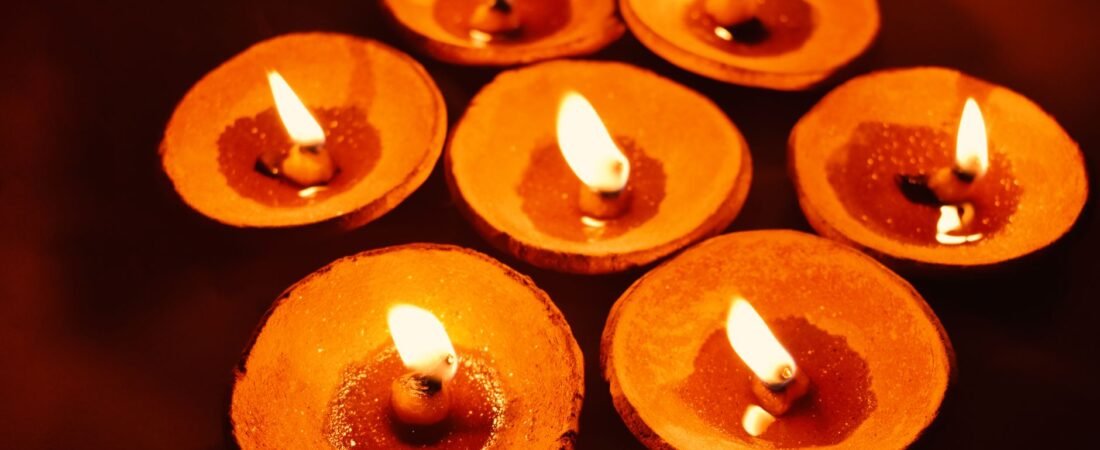
Celebrations begin days before the main date with thorough cleaning and decorating of homes. On the morning of Diwali, many Hindus wake up before dawn for an oil bath, symbolizing purification, followed by prayers at home or in temples. The entrance of homes is adorned with intricate kolam patterns made from colored rice flour, and oil lamps (diyas) are lit to welcome the goddess Lakshmi, who brings wealth and good fortune.
Throughout the day, families visit relatives and friends, exchanging gifts and sharing traditional Indian sweets such as ladoo, barfi, jalebi, and murukku. Open houses are a hallmark of Malaysian Diwali, where homes are opened to neighbors and colleagues regardless of ethnicity or religion, fostering a spirit of togetherness. In the evening, communities often gather for cultural performances, fireworks displays, and lighting of additional lamps, creating a spectacular atmosphere of light and joy.
Public Holiday Status: Nationwide except Sarawak, Possible Replacement Holiday
As a federal public holiday, Diwali is observed nationwide with the exception of Sarawak, where it is not a state holiday. In 2026, since November 8 falls on a Sunday, several states may announce Monday, November 9 as a replacement public holiday. This practice ensures that workers and students still receive a designated day off. Employers and schools typically follow the state holiday calendar, so it is prudent to verify the exact schedule with your employer or school administration.
Where to Experience Diwali Celebrations in Malaysia
While Diwali is celebrated in homes across the country, certain locations are known for particularly vibrant public festivities:
- Kuala Lumpur: Areas such as Brickfields (Little India) come alive with decorative lights, street bazaars selling Indian crafts and snacks, and cultural performances at temples like the Sri Mahamariamman Temple.
- Penang: George Town’s Little India along Jalan Masjid Kapitan Keling features colorful decorations, traditional music, and food stalls offering delicacies like banana leaf rice and sweet pongal.
- Melaka: The Chitty Museum and surrounding Hindu villages showcase authentic Peranakan Indian traditions, with special exhibitions and live demonstrations of kolam drawing and sweet-making.
- Johor Bahru: The Arulmigu Sri Rajakaliamman Glass Temple, a unique glass-encrusted shrine, attracts visitors for its special Diwali illuminations and prayers.
- Sabah and West Malaysia towns: Many smaller towns host temple processions and community meals, reflecting the widespread nature of the celebration.
Visitors are welcome to observe respectfully, remove footwear when entering temples, and participate in open houses if invited.
Food and Festivities: Traditional Indian Sweets and Savory Snacks
Food is an integral part of Diwali celebrations. Malaysian Hindus prepare an array of vegetarian dishes, reflecting the belief in purity and non-violence during the festival. Signature sweets include:
- Ladoo: Round balls made from flour, sugar, and ghee, often flavored with coconut or nuts.
- Barfi: Dense, fudge-like confections made from condensed milk and sugar, cut into diamond shapes.
- Jalebi: Crispy, spiral-shaped batter fried and soaked in sugar syrup, served warm.
- Murukku: Savory, crunchy spirals made from rice and lentil flour, spiced with cumin and sesame.
- Sweet Pongal: A creamy rice and lentil dish cooked with jaggery, cashews, and raisins, offered as prasad (blessed food).
Savory snacks such as samosas, vadai, and various pakoras complement the sweet treats. Many families also prepare a elaborate vegetarian feast on banana leaves, featuring rice, curries, rasam, and papadum.
Tips for Visitors and Residents During Diwali
To make the most of Diwali 2026 in Malaysia, consider the following suggestions:
- Plan ahead: If you intend to visit popular Little India districts, expect heavier traffic and limited parking; consider using public transport or ride-sharing services.
- Dress modestly: When visiting temples or attending open houses, wear clean, modest clothing; removing shoes is customary.
- Respect customs: Avoid stepping on kolam designs, and ask before taking photographs inside temples or of religious ceremonies.
- Try the food: Accept invitations to open houses to sample homemade Diwali specialties; it is a gesture of goodwill.
- Check holiday dates: Confirm whether Monday, November 9 is a public holiday in your state to plan leave or travel accordingly.
- Stay safe: If attending fireworks displays, maintain a safe distance and supervise children closely.
Frequently Asked Questions
Q: Is Diwali a public holiday for all Malaysians in 2026?
A: Diwali is a gazetted public holiday in all Malaysian states and federal territories except Sarawak. In 2026, it falls on Sunday, November 8, and some states may observe a replacement holiday on Monday, November 9.
Q: What are the main customs observed during Diwali in Malaysian homes?
A: Common customs include cleaning and decorating the home, taking an early morning oil bath, lighting oil lamps, creating kolam designs at the entrance, praying to deities like Lakshmi and Ganesha, visiting relatives and friends, exchanging gifts and sweets, and hosting open houses.
Q: Are non-Hindus allowed to participate in Diwali celebrations?
A: Yes, Diwali in Malaysia is celebrated with an inclusive spirit. Non-Hindus are often invited to open houses, can enjoy festive foods, and may attend public cultural events and temple visits as respectful observers.
Q: What should I wear if invited to a Diwali open house?
A: Casual or festive attire is appropriate; many choose to wear traditional Indian clothing like kurta or baju kebaya, but modest Western clothing is also acceptable. Ensure clothing is clean and presentable.
Q: Where can I see the best Diwali lights and decorations in Kuala Lumpur?
A: Brickfields (Little India) is renowned for its elaborate street lighting, decorative arches, and bustling bazaars during the Diwali season. The area around Jalan Tun Sambanthan and Jalan Raja is particularly vibrant.
Conclusion
Diwali on November 8, 2026 offers Malaysians a wonderful opportunity to celebrate light, unity, and cultural richness. Whether you observe the festival for its religious significance or simply enjoy the festive atmosphere, the day serves as a reminder of shared values such as hope, renewal, and community. By understanding the date, customs, and public holiday arrangements, everyone can partake meaningfully in the celebrations. Let the glow of the oil lamps inspire kindness and joy across the nation as Malaysia welcomes another radiant Deepavali.
More from ZFRBuild
- Best robot vacuums under RM1,000 in Malaysia (2026)
- September 16 Malaysia Day: Holiday Guide for Malaysians
- LG smart TVs caught logging audio with the screen off
Related Article
- Texas judge rules TikTok misled users on child safety — A Texas judge ruled TikTok misled users about child-safety filters and Restricted Mode. The ruling, what happens next, and what it means in Malaysia.